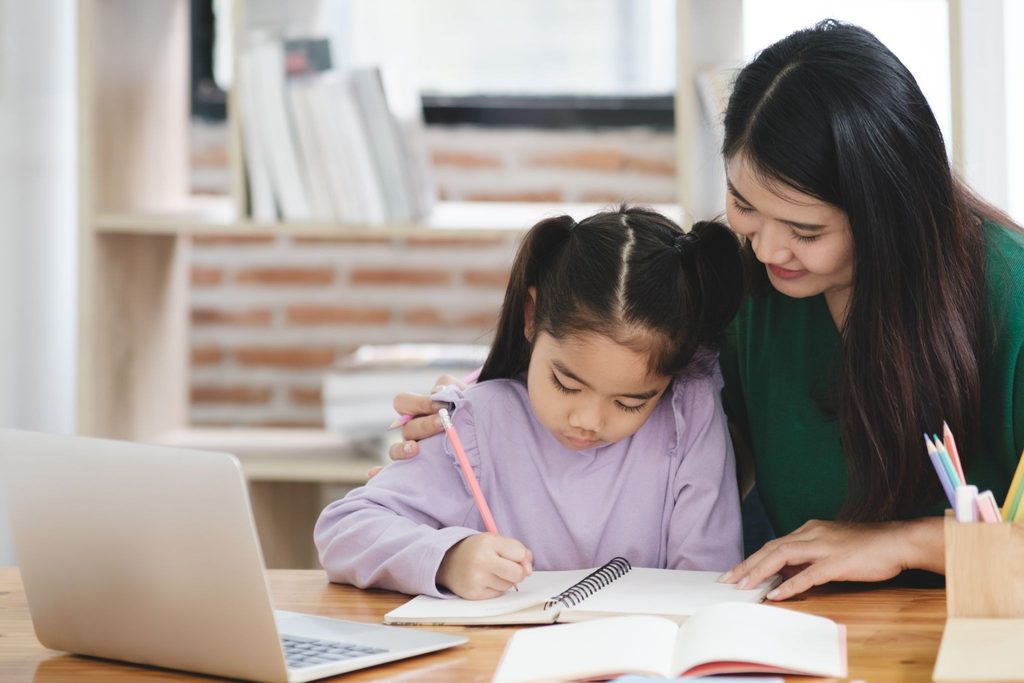
Special Education Strategies for Effective Classroom Management

Classroom management can be a challenging task for any teacher, but it becomes even more intricate in the world of special education. Each student brings a unique set of needs, requiring educators to adopt specialized approaches that foster a supportive and productive learning environment. With the right Special Education Strategies, teachers can ensure that their classrooms are not only well-managed but also conducive to the success of every student.
Understanding the Unique Needs of Special Education Students
One of the first steps to achieving Effective Classroom Management in special education is understanding that students with disabilities often require individualized approaches. Conditions such as autism, ADHD, and learning disabilities present specific behavioral and cognitive challenges. These students may need clear expectations, structured routines, and individualized reinforcement to thrive in a classroom setting.
Recognizing these needs is the cornerstone of successful classroom management. Teachers must create flexible strategies that account for each student’s learning style, triggers, and strengths. Doing so allows for a harmonious learning environment where students feel respected and motivated.
Establishing Clear Rules and Routines
Setting clear, consistent rules is one of the most effective methods for Managing Special Education Classrooms. Special education students often benefit from having explicit guidelines that are easy to follow and reinforced regularly. These rules should be visually displayed in the classroom and referred to frequently. For students who struggle with verbal instructions, using visual aids or creating social stories can make the rules more accessible.
Routines are equally important. Many special education students find comfort in predictability. By establishing a consistent daily routine, educators can reduce anxiety and prevent behavioral issues. Transitions between activities should be clearly communicated, and where necessary, visual timers or verbal cues can be used to ease the shift from one task to another.
Positive Reinforcement and Reward Systems
Positive reinforcement is a vital element of Classroom Management in Special Education. Encouraging desired behaviors through rewards can help students feel motivated and appreciated. Praise, stickers, or points that accumulate towards a preferred activity are common forms of reinforcement. It’s essential, however, to tailor the reward system to individual students, as what motivates one child may not work for another.
Consistency is key when implementing positive reinforcement. Students with behavioral challenges often need immediate feedback to understand the connection between their actions and the rewards. This method helps cultivate a positive atmosphere, encouraging students to engage with the learning process more fully.
De-escalation Techniques for Managing Challenging Behaviors
In any special education classroom, there will be moments when challenging behaviors arise. Knowing how to de-escalate situations quickly and effectively is crucial for maintaining a calm and safe learning environment. Special education teachers should be trained in de-escalation techniques that focus on preventing crises before they occur.
One strategy is to identify and address triggers before they escalate into problematic behaviors. For example, if a student becomes agitated when transitioning from one activity to another, giving them additional preparation time or offering a sensory break may help alleviate stress. Maintaining a calm, composed demeanor, even in the face of disruptive behaviors, is essential for reducing tension in the classroom.
Another important de-escalation tool is the use of quiet spaces or sensory rooms. These areas allow students to retreat and regulate their emotions when they feel overwhelmed, giving them the time and space they need to refocus and rejoin the group.
Differentiated Instruction and Inclusive Practices
Effective Classroom Management in special education relies heavily on differentiated instruction. Since students in a special education classroom often have varying cognitive and developmental levels, teachers must adapt their teaching methods to meet each student’s individual needs. This could involve breaking down tasks into smaller, more manageable steps, offering choices in how students complete assignments, or using technology to support learning.
Inclusive practices are also a significant component of classroom management. Creating a sense of community where all students, regardless of ability, feel valued is crucial for maintaining a positive learning atmosphere. Encouraging peer interaction and collaboration can help foster social skills, which are often a vital part of special education.
Collaboration with Support Staff
A well-managed special education classroom often relies on teamwork. Paraprofessionals, aides, and therapists play an essential role in the success of Managing Special Education Classrooms. Effective collaboration between teachers and support staff ensures that each student receives the assistance they need, whether it’s through one-on-one instruction or help with daily tasks.
Regular communication between educators and support staff is vital. Weekly meetings or check-ins can help identify areas where students are struggling and allow for the adjustment of classroom management techniques accordingly.
Parent and Caregiver Involvement
Effective Classroom Management in Special Education extends beyond the classroom walls. Teachers should actively involve parents and caregivers in their child’s educational journey. Regular updates on student progress, behavior, and strategies being implemented in the classroom allow for a cohesive approach to managing students’ behavior and learning.
By collaborating with families, educators can gain insights into a student’s behavior at home and adjust their strategies accordingly. This partnership helps create consistency between home and school environments, which is especially beneficial for students with special needs.
Conclusion
Successfully managing a special education classroom requires a combination of clear rules, positive reinforcement, individualized instruction, and collaboration. Implementing these Special Education Strategies not only improves the overall classroom environment but also supports the holistic development of each student. Through tailored techniques and inclusive practices, teachers can create a space where every learner is set up for success.