Phone for extra engage in time amid ‘schoolification’ of Uk childhood | Small children
Training gurus and boy or girl psychologists have elevated the alarm about the creeping “scholarisation of childhood”, as evidence grows that free engage in both equally at college and at residence is staying eroded in favour of educational, sporting and cultural activities.
Professionals are concerned that kids in the Uk are dropping unstructured perform time during the university working day, with shorter lunch breaks crammed with supervised instructional activities. At the time faculty has completed, homework and extracurricular pursuits are more having into free of charge time.
They are calling on the government to just take benefit of the pause developed by the pandemic to imagine afresh about childhood beyond the slender lens of educational attainment and carry a halt to the growing “schoolification” of youthful lives.
“Huge quantities of youngsters have experienced a depressing year,” claimed Tim Gill, writer and advocate for children’s engage in. “I hope just one of the matters the pandemic might prompt is a stage again to allow a holistic glance at children’s life and wellbeing.”
This week the British Children’s Enjoy study confirmed today’s kids are getting to wait longer just before they are permitted to enjoy outside on their possess – they are commonly 11, whilst their mothers and fathers have been two a long time young – and usually engage in fewer adventurous participate in than previous generations.
In the meantime, debate continues to rage about measures to support children’s recovery adhering to the pandemic disruption. Whilst the government’s focus is on tutorial catchup, prolonged faculty times and shorter holiday seasons, youngster psychologists have identified as for a summer season of perform to shield children’s mental health and fitness.
“The decline of play is exceptionally significant,” warned Dr Naomi Lott, an specialist on the correct to engage in at College of Nottingham. “It has these huge-ranging impacts on little ones. But due to the fact participate in is considered as frivolous we neglect all the benefits, which have a long-term impact on youngsters and modern society as a whole.”
Analysis by the UCL Institute of Education and learning has shown that college breaktimes have been curtailed around the several years and are as significantly as an hour shorter than they had been two many years in the past, typically loaded with a variety of organised routines further restricting free of charge engage in.
Hackney New school, a secondary in east London, a short while ago captivated national interest right after it released chess golf equipment, poetry recitals and quizzes throughout the lunch crack to minimize bullying. “It’s extensive been my belief that we could be undertaking extra for pupils although they are on their breaks,” headteacher Charlotte Whelan explained to the BBC. “So generally you see them aimlessly wandering the playground. We want every single next at college to depend.”
Previous headteacher and Ofsted main Sir Michael Wilshaw reported school breaktimes experienced lessened as a effectiveness culture took in excess of in educational institutions and he called for a greater stability. “I’m not criticising the efficiency lifestyle, but these are younger people today developing up, making ready for the major vast globe. They require to find out how to blend with every other and come to be much more experienced by mixing.”
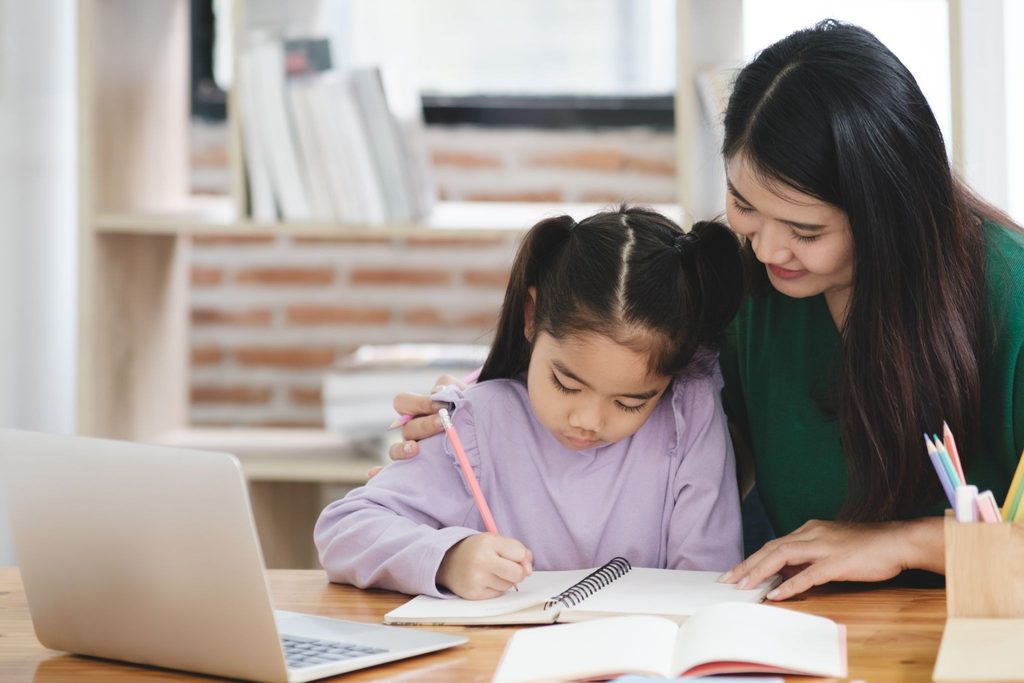
Gurus say other examples of the “schoolification of childhood” include: breakfast and just after-school clubs, which assistance doing work mother and father but extend the faculty day into when cost-free time the rising great importance of homework even in principal faculties the tension to get pretty young youngsters “school-ready” and the introduction of the “back-seat generation” who are picked up from university and ferried to functions.“Children’s breaktimes at school have lowered, the age they are authorized devoid of supervision has greater and the target just after a yr of obtaining their social play limited is on ‘academic catchup’,” reported Helen Dodd, a professor of kid psychology at the College of Examining.
“This scholarisation of childhood, and the maximize in time little ones commit in grownup-led things to do, decreases children’s time used taking part in, gets rid of possibilities for independence and denies them the uncomplicated joys and freedoms of childhood.
“Brian Sutton-Smith famously said that the reverse of play is depression and yet, in the confront of increasing prices of psychological health and fitness issues, we proceed to neglect the benefit of engage in.”
In accordance to senior educational psychologist Dr Melernie Meheux: “Reduced opportunities for perform and a hefty emphasis on structured/official understanding both at property and at university spot needless strain on children and families.
“Parents can really feel strain for their youngsters to execute and accomplish, as can children, which in the long term can have an impact on children’s perception of self, self-confidence and willingness to choose risks.”
One mother, whose 9-year-previous has a packed extra-curricular plan of piano, choir, football, ballet, present day dance and swimming, explained waking up in the center of the night anxious that she hadn’t provided her daughter the possibility to learn a language.
“We’ve tried out to continue to keep a person afternoon unquestionably free, but she’s currently protesting that she doesn’t have any cost-free time. She just would like time to herself. It is been anything that lockdown has presented her, which has been excellent.” Now even so, schools have fully reopened and the activities have kicked in as soon as all over again.
“Learning is critical,” stated Meheux. “However, with out options to perform and have interaction with pals and household, young children will not have the capacity to interact with understanding and thus achieve their whole opportunity.”
Asked to respond, a Section for Education and learning spokesperson cited the government’s £1.7bn catchup funding, like £950m to assist pupils’ mental wellbeing, plus its activity and action motion plan. “We know youthful individuals have faced unprecedented issues over the earlier yr, which include with wellbeing and enhancement, and so support for pupil mental and actual physical health is a essential section of the restoration.”
“It’s fairly miserable becoming a little one,” said Gill, whose e-book No Anxiety has been explained as a handbook for the motion for freer, riskier engage in. “No 1 is shelling out a lot interest to irrespective of whether you are joyful or healthful. They are just anxious about your grades.
“The pretty much jail-like oversight of children’s time is seriously stressing – and not just in college. Where ever you seem, you can see that from the stage of see of children and youthful people today, their lives have grow to be far more and a lot more overseen, with a lot less time and place to simply call their possess.”