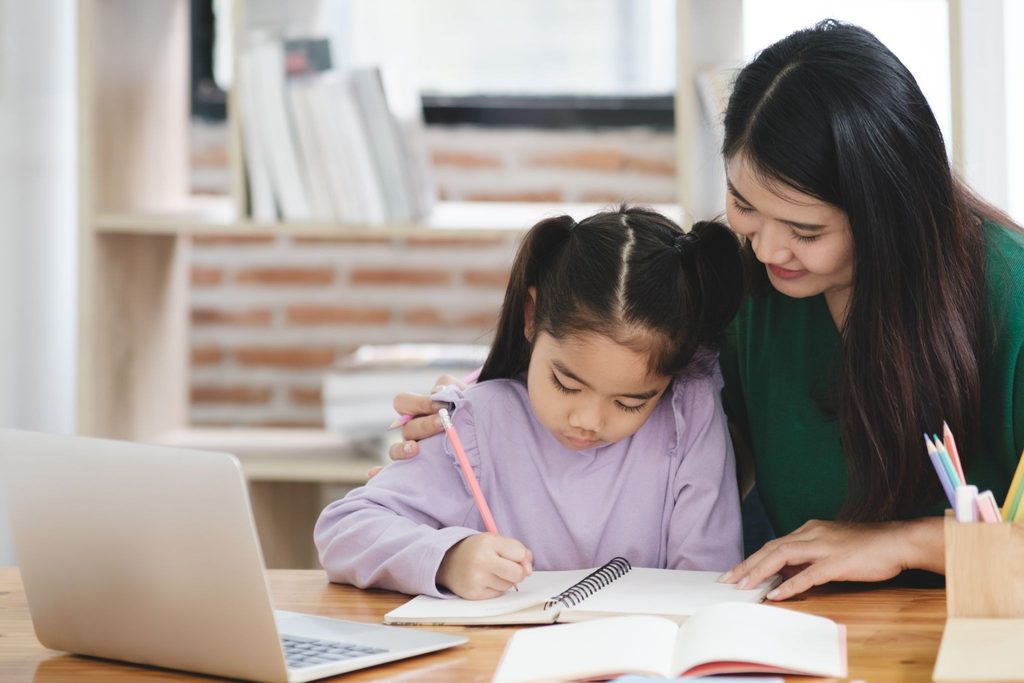
How Special Education Supports Diverse Learners
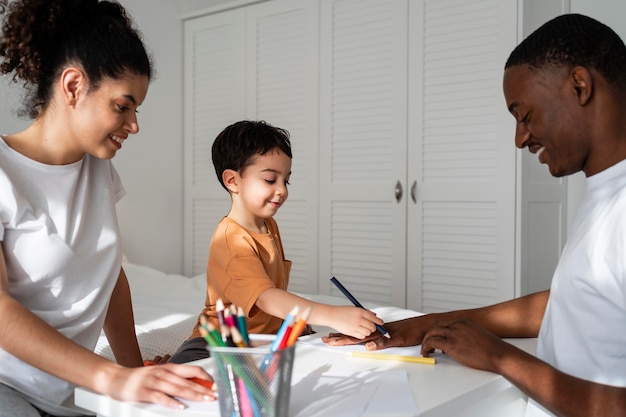
In today’s educational landscape, the one-size-fits-all approach to teaching is increasingly seen as inadequate. With classrooms full of students with varying needs and abilities, Special Education plays a pivotal role in ensuring that every learner receives the support they need to succeed. This article explores How Special Education Supports Learners, shedding light on the methods and strategies used to foster an inclusive learning environment.
Understanding the Need for Support
Every student brings their own unique set of strengths and challenges to the classroom. Supporting Diverse Learners involves recognizing and addressing these individual differences to help each student achieve their full potential. Special education is designed to cater to a wide range of needs, from learning disabilities and developmental delays to physical and sensory impairments. By tailoring educational approaches to fit these varied needs, special education ensures that all students have access to quality education.
Personalized Approaches in Special Education
Special Education for Varied Needs relies heavily on personalized learning strategies. This begins with a comprehensive assessment of each student’s abilities, challenges, and learning styles. Educators and specialists use this information to develop individualized education plans (IEPs) that outline specific goals, accommodations, and support services for each student.
These personalized plans might include a range of adjustments, such as modified lesson plans, one-on-one tutoring, or the use of assistive technology. For example, a student with dyslexia might benefit from audiobooks and reading software, while a student with ADHD might need a classroom environment with fewer distractions and more frequent breaks. By customizing these approaches, Special Education provides targeted support that helps students engage with the curriculum more effectively.
Implementing Inclusive Education Strategies
Inclusive Education Strategies are at the heart of effective special education. These strategies aim to integrate students with special needs into general education classrooms while providing the necessary support. This approach not only benefits students with disabilities but also enriches the learning environment for all students by promoting diversity and understanding.
Key strategies in inclusive education include:
– Co-Teaching: This involves a general education teacher and a special education teacher working together to deliver instruction to all students. Co-teaching allows for the integration of specialized support within the general education setting, ensuring that all students receive the assistance they need without being pulled out of the classroom.
– Differentiated Instruction: Teachers modify their teaching methods and materials to accommodate various learning styles and abilities. This might include offering multiple ways for students to demonstrate their understanding, such as through written assignments, oral presentations, or hands-on projects.
– Universal Design for Learning (UDL): UDL is a framework that encourages the creation of flexible learning environments that cater to diverse learners. By providing multiple means of engagement, representation, and action/expression, UDL helps ensure that all students can access and participate in the learning process.
The Role of Assistive Technology
Assistive technology plays a significant role in Supporting Diverse Learners. These tools help bridge gaps in learning and provide additional support tailored to individual needs. For instance, speech-to-text software can assist students with writing difficulties, while screen readers can help those with visual impairments. By incorporating these technologies, educators can enhance learning experiences and promote greater independence among students.
Building a Supportive Learning Community
Creating a supportive learning environment is crucial for the success of special education. This involves fostering an atmosphere of acceptance and understanding among students, teachers, and families. Encouraging open communication and collaboration helps ensure that everyone is working together to support the student’s educational journey.
Parental involvement is also vital. Parents and guardians often provide valuable insights into their child’s needs and preferences, which can inform the development of effective IEPs and support strategies. Additionally, schools can offer resources and training to help families understand how they can support their child’s learning at home.
Measuring Success and Progress
Assessing the effectiveness of special education programs is essential for continuous improvement. Regular evaluations and progress monitoring help determine whether students are meeting their IEP goals and making adequate progress. Teachers and specialists use this information to adjust instruction and support as needed, ensuring that each student continues to advance toward their educational objectives.
Conclusion
Special Education is a dynamic and essential field that supports a wide range of learning needs. By focusing on Supporting Diverse Learners through Special Education for Varied Needs and implementing Inclusive Education Strategies, educators create a more equitable and enriching learning environment for all students. Through personalized approaches, the use of assistive technology, and collaborative efforts with families, special education helps unlock the full potential of every learner, ensuring that each student has the opportunity to succeed and thrive.