How Special Education Enhances Student Success
Education is the cornerstone of a child’s development, and for students with unique learning needs, Special Education Enhances Success in remarkable ways. Tailored specifically to meet the individual needs of students with disabilities, special education goes beyond the conventional classroom model. It equips learners with the tools, strategies, and support systems necessary to thrive academically, socially, and emotionally.
In today’s inclusive educational landscape, special education plays a crucial role in ensuring that every student has the opportunity to succeed, regardless of their challenges.
Personalized Learning for Individual Growth
One of the core ways that Boosting Student Success with Special Education is achieved is through individualized learning plans. Every student learns at their own pace, and special education recognizes this by offering customized approaches to teaching. Individualized Education Plans (IEPs) are crafted to outline specific goals and accommodations that support each student’s growth. These plans aren’t one-size-fits-all; they are carefully tailored based on each learner’s strengths and challenges.
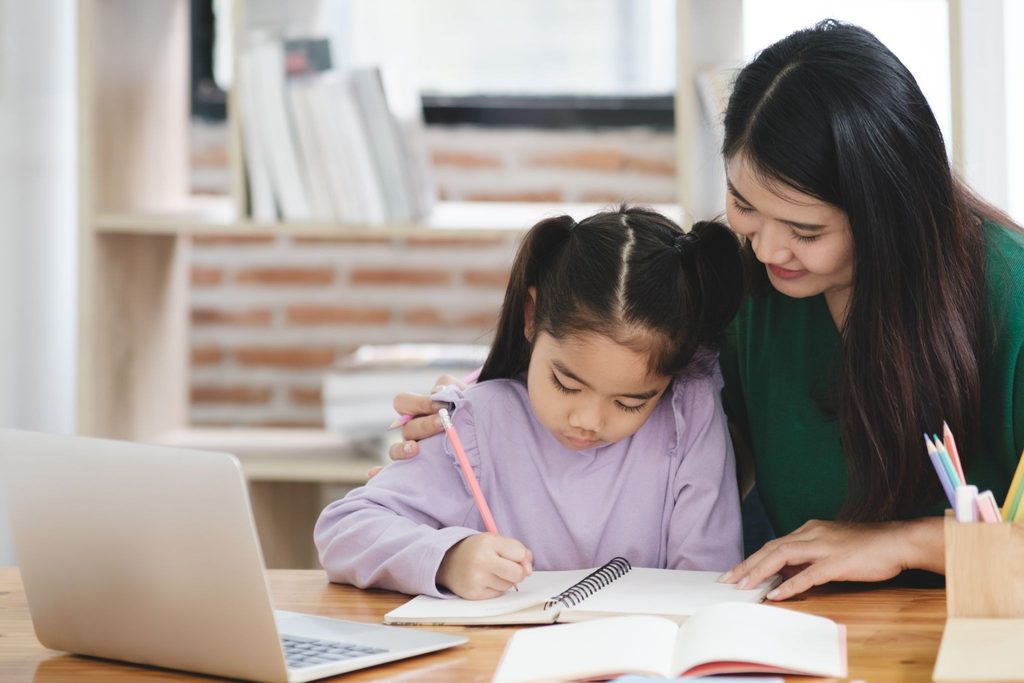
Whether a student needs additional time to complete tasks, specialized equipment, or one-on-one support, these personalized approaches foster an environment where students can excel. This flexibility ensures that no child is left behind and that each student has the opportunity to reach their full potential.
Supportive Teaching Strategies
Another significant aspect of How Special Education Supports Achievement is the variety of teaching methods designed to engage students with different learning styles. Special education teachers are trained to use a wide range of strategies, including multi-sensory approaches, visual aids, and hands-on learning activities. These methods are particularly helpful for students who may struggle with traditional forms of instruction, such as reading or listening to lectures.
For example, a student with dyslexia may benefit from using audiobooks alongside printed texts, while a learner with autism might thrive with visual schedules and predictable routines. By catering to these unique needs, special education provides students with a learning experience that is not only accessible but also enjoyable.
Emotional and Social Development
Academic success is only part of the equation when it comes to student achievement. Emotional and social development is just as vital, and The Impact of Special Education on Learning extends to these areas as well. Many students in special education programs face challenges that can affect their self-esteem and social interactions. Special education helps build confidence by providing a supportive environment where students feel understood and accepted.
Through social skills training, peer interaction activities, and collaborative projects, special education encourages students to develop positive relationships with others. It also teaches important life skills, such as problem-solving, communication, and self-advocacy. These skills not only enhance a student’s school experience but also prepare them for life beyond the classroom.
Collaboration with Families and Specialists
One of the key components in Boosting Student Success with Special Education is the collaboration between teachers, specialists, and families. Education is most effective when it’s a team effort, and special education thrives on this partnership. Teachers work closely with speech therapists, occupational therapists, and counselors to ensure that students receive comprehensive support.
Additionally, parents and caregivers are integral to the process. Regular meetings are held to discuss student progress and update learning goals. This collaboration ensures that the student’s educational experience is consistent both at school and at home, creating a holistic support system that promotes achievement.
Access to Assistive Technology
Technology has become an invaluable resource in How Special Education Supports Achievement. Assistive technology tools, such as speech-to-text programs, communication devices, and adaptive software, allow students with disabilities to participate more fully in the classroom. These tools bridge the gap between a student’s abilities and the demands of the curriculum, making learning more accessible.
For instance, a student with limited mobility might use a specialized keyboard to type, while another with hearing impairments might rely on captioning software. By leveraging technology, special education empowers students to take control of their learning and experience success in ways that would have been impossible in the past.
Preparing for Future Success
One of the most lasting impacts of The Impact of Special Education on Learning is its role in preparing students for life beyond the school walls. Whether it’s through vocational training, life skills programs, or college readiness courses, special education ensures that students are equipped with the knowledge and confidence to succeed in the future.
For students with disabilities, the transition from school to adulthood can be particularly daunting. However, special education programs often include resources and support systems designed to ease this transition. Students learn practical skills such as time management, financial literacy, and job readiness, which pave the way for independent living and career success.
Conclusion
The power of special education cannot be overstated. By focusing on individual needs, providing emotional and academic support, and fostering collaboration between educators, specialists, and families, Special Education Enhances Success for countless students. With access to tailored teaching strategies, assistive technology, and comprehensive support systems, students with disabilities are empowered to overcome challenges and achieve their fullest potential.
In a world that values inclusivity, special education continues to be a beacon of hope and opportunity for learners of all abilities. Through these innovative approaches, special education not only boosts student success but also creates a more compassionate, equitable educational landscape for all.